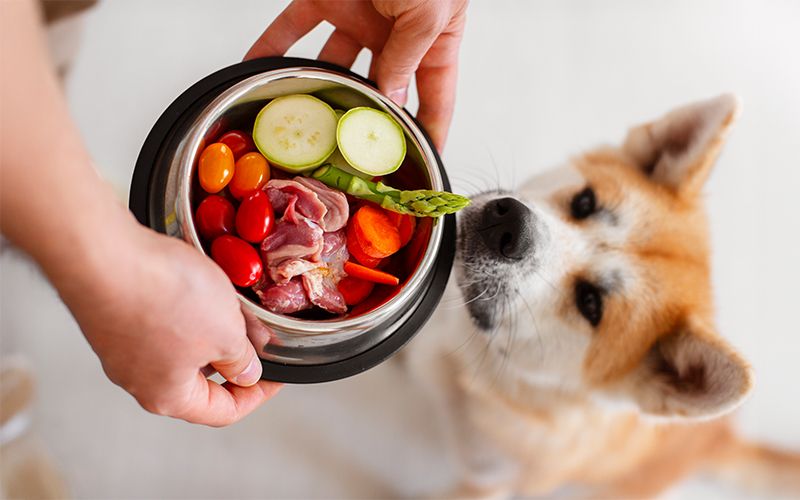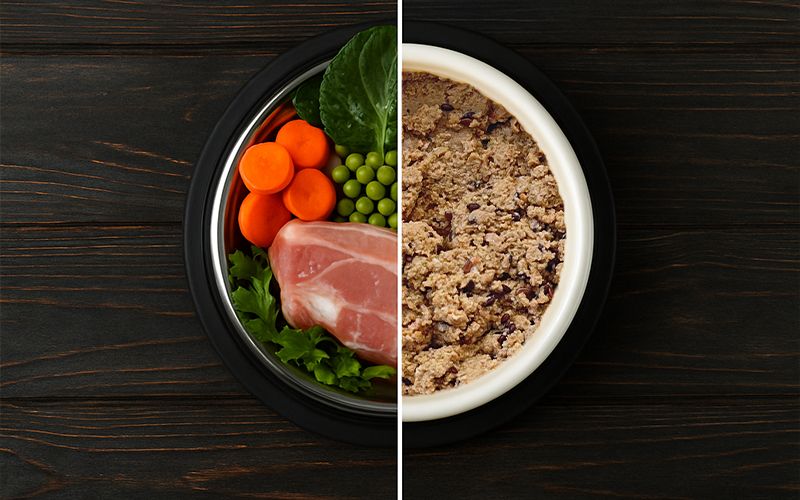
The best dog food is fresh dog food that has the right amounts of high-quality protein; low-calorie, fibre-rich carbohydrates; essential fatty acids; and necessary vitamins & minerals. Nowadays, there are many brands of fresh dog food you can choose from: The Farmer's Dog, JustFoodForDogs, BLEP pet food, Freshpet, etc. Essentially, the best dog food provides your dog a balanced, healthy, nutritious meal every single time.
It must also be high in quality and made with easily recognisable, wholefood ingredients, not by-products, rendered meats and veggies, or human consumption waste. This improves its digestibility and, in turn, the bioavailability of nutrients. The best dog food is made of ingredients that even you can consume safely.
Another important tenet is how the food is processed. The higher the cooking temperature, the more nutrients are lost from the food. Ultra-processed dog food is cooked over and over again at high temperatures and pressures. This ensures that the food is sterile, but much of the nutrients may be lost due to this kind of processing. Therefore, lightly-cooked dog food retains more nutritional value and is ultimately better for dogs.
Apart from what it does have, a good quality dog food may also be characterised by what it doesn't have. The best dog food doesn't have any preservatives, chemicals, fillers, sugar, or derivatives. This is because artificial additives may cause sensitivities and gut issues due to prolonged exposure (remember, dogs eat this for every meal!).
So fresh, 100% natural, human-grade and zero-preservative dog food like BLEP is the best dog food for your dog.
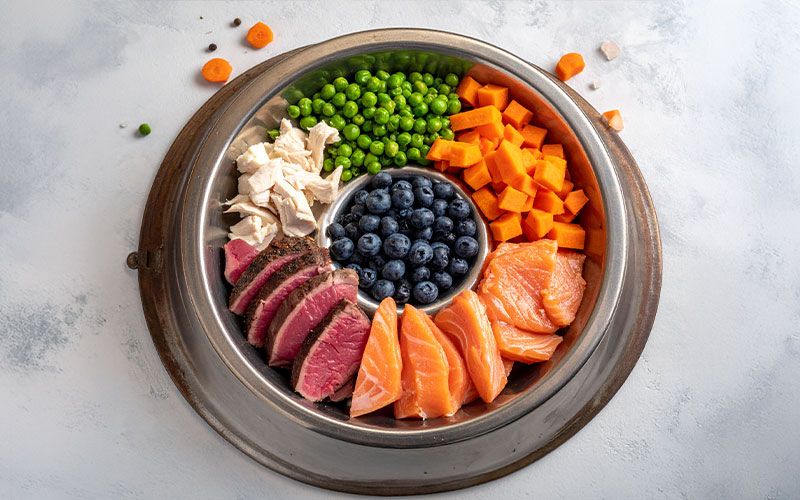
What is a balanced meal for dogs?
Much like humans, dogs, too, need a balanced diet. This diet is usually meat-heavy and low-carb, in line with what wolves, the ancestors of dogs, would eat in their natural habitat. However, today's dogs are not wolves, so they are able to digest some carbs and need some extra nutrients.
Since we're on the topic of 'balanced diets', let us first explore what a balanced diet is. The Association of American Feed Control Officials, or AAFCO, forms the basis for the formulation standards of most pet food around the world. It is the non-profit organisation that sets the voluntary standards for animal feed and pet food in the U.S. According to AAFCO, protein, fat, carbohydrate (fibre), vitamins, minerals, and water are the components of a balanced meal.
Protein
Protein forms the building block of the entire body: muscles, bones and cartilage, nerves, coat hair, nails, skin, hormones, antibodies, blood and so much more. AAFCO suggests that a balanced diet for dogs should contain 22.5% of protein at the growth and reproduction stage and 18% of protein for adult maintenance, based on dry matter basis.
Fats
Fats are also a multipurpose nutrient, being the major energy source, as well as an essential component for healthy skin & coat, neurological growth, immunity, absorption of fat-soluble vitamins like A, D, E, and K, and insulation against harsh weather. Most importantly, the essential fatty acids omega-3 and omega-6 are extremely important for proper bodily functions. According to AAFCO, minimum crude fat in a dog's diet should be 8.5% at the growth and reproduction stage and 5% for adult maintenance, based on dry matter basis.
Dietary fibre/carbs
The form of carbohydrate that dogs require is dietary fibre. It is good for digestion, helps in nutrient absorption, promotes a healthy gut microbiome and aids smooth bowel movement. There are two types: soluble fibre, which feeds good bacteria and softens stool; insoluble fibre, which bulks up faeces and prevents glucose spikes. AAFCO recommends 4% of a dog's diet to be crude fibre.
Vitamins
Vitamins are the protectors of the body. Some essential vitamins that dogs need for a healthy body are Vitamin A, B vitamins (biotin, folate, niacin, pantothenic acid, riboflavin, thiamine, vitamin B-6, and vitamin B-12), Vitamin C, Vitamin D, Vitamin E, Vitamin K and Choline. The role of vitamins cannot be overstated, as they help in vision, metabolism, immunity, nutrient absorption and so much more.
Minerals
Minerals, too, form a class of nutrients that are essential for healthy teeth, bones, cells, enzymes, blood oxygen levels, nerves, immunity and more. Some of the crucial minerals needed by dogs are Calcium, Phosphorus, Magnesium, Potassium, Sodium, Iron, Copper, Zinc, Manganese, Selenium, and Iodine.
Water
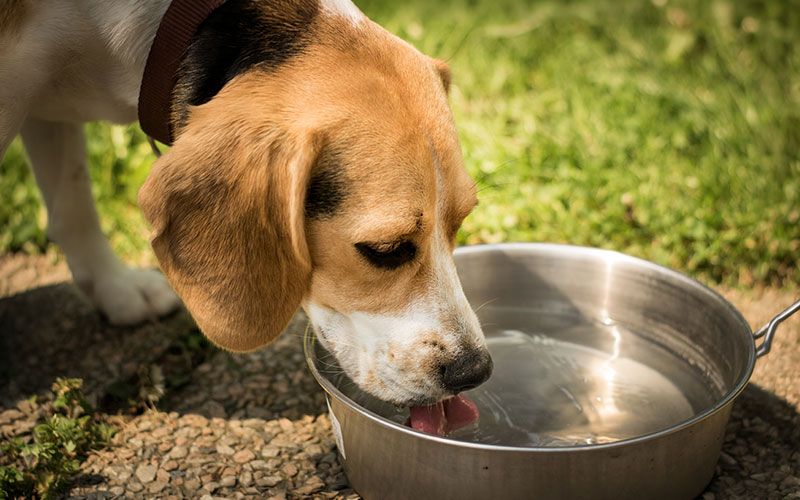
Water may not be 'food', but it is essential for food to do its work properly. 60% to 70% of a dog's body is water, so they need to drink a lot of it. Dogs should have a clean water source at all times. Water helps in body temperature regulation, breakdown of food for absorption, circulation of nutrients, gives shape to body structures, keeps joints flexible and protects the nerves. Wet food and bone broths may also be sources of hydration.
What are the markers of the best dog food?
Bioavailability of nutrients
Just because you've fed your pup an ingredient doesn't mean that they will be able to gain the full benefit from it. This is where bioavailability comes into play. Bioavailability of a nutrient is determined by the proportion of a nutrient that is actually absorbed, utilised, and stored by the body after eating, rather than simply the total amount of it present in food. The bioavailability of a nutrient may be affected by a number of things: the part of the ingredient used, the way it has been cooked, the source of the nutrient, etc. For example, high-quality parts of chicken, such as chicken breast, have more bioavailability than scraps or leftovers, iron from meat sources is far more bioavailable than from plant sources, high-heat extrusion may degrade vitamins and reduce digestibility of protein, etc.
Palatability
Dog food that smells and tastes like the ingredients that it is made of is usually a good bet for your dog. This is an indication that the dog food brand has not used any chemicals or artificial additives to change the flavour or texture of the food. If pet food is made odourless, it's to help humans, not dogs. The deodourising chemicals may build up in their systems and create issues in the long term. In fact, dogs love the taste and smell of fresh food. It helps with the palatability of the food and reduces chances of rejection. Therefore, odourless pet food may even resort to adding other substances like sugar to increase palatability.
Clarity of ingredients
If you don't recognise half of the ingredients in your dog food label or if there are vague groupings like 'permitted preservatives', that's a problem. Because you don't really know what's actually going into their bowl. Their food ingredients should not be that much different from ours. In fact, regular meats, veggies, and fruits featured on the dog food label are a great sign. Ingredients should be recognisable, natural, and human-grade so that your dog gets the best quality food that is available on the market.
Convenience
Your convenience must be low on the scale, but it should still be on the scale. After all, they depend on us to feed them every day. Some shelf life becomes important so that you can stock up on your dog's food and store it safely. Usually, this shelf life comes from preservatives. But, nowadays, there are many safer methods of getting shelf life for dog food: freeze-drying, vacuum packaging, retorting and many more. Apart from this, meal-size packaging is also really handy for daily feeding, and it helps you give your dog the right amount of food every time, without having to calculate on your own.
Processing method
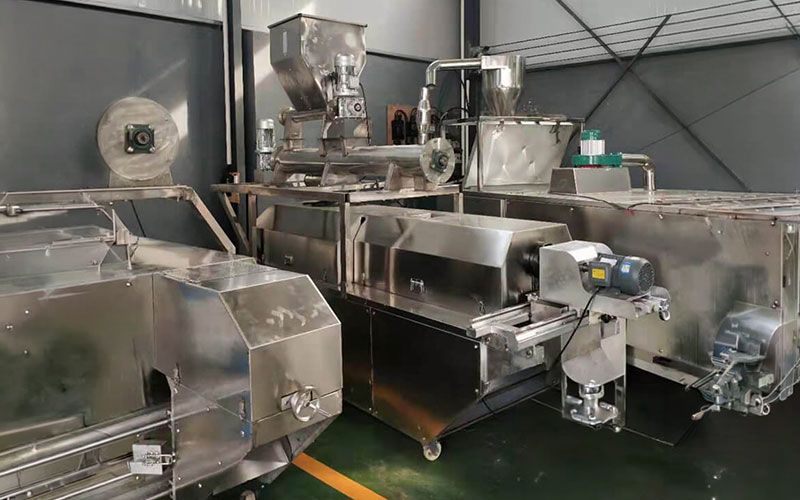
The method of processing that has been used to make your dog's food is a key consideration when you're buying dog food. First, the temperature. High-temperature cooking causes a massive loss of nutrients, especially if done multiple times to the same batch. In fact, when the food is cooked at high temperatures, it is affected by the Maillard reaction, a chemical reaction between amino acids (proteins) and reducing sugars. This, in turn, produces advanced glycation end products or AGEs. The long-term accumulation of these AGEs may cause progressive metaflammation, which has been linked to various health issues in both humans and dogs. Next, the use of preservatives. Ultra-processed food uses preservatives for shelf life, and when these chemicals are ingested daily (as is the case for most pups who consume ultra-processed food), they accumulate in the body and may cause various sensitivities and health issues. Lastly, starch is a focal ingredient in the manufacturing of some dog food, mostly for it to keep its texture. Starch breaks down into sugar in the body and may lead to weight gain and related issues, such as diabetes, hypertension, etc.
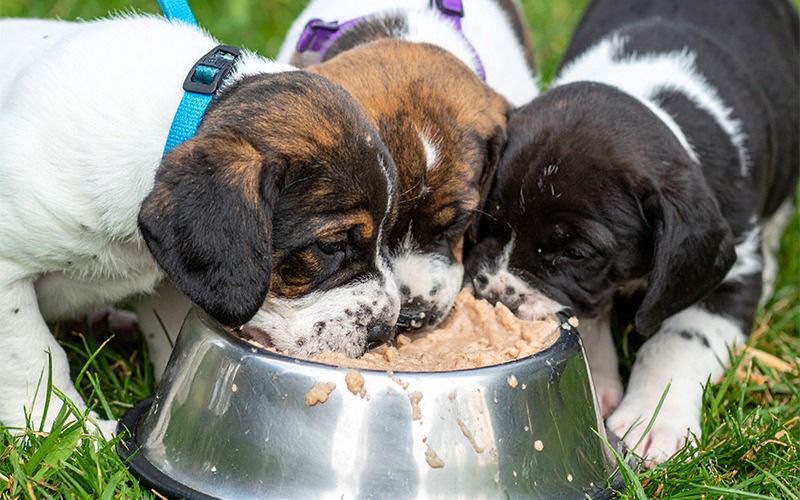
Best dog food for puppies
The best dog food for puppies is the one that has a good balance of calories and protein, as puppies need them for both rapid development and maintenance of their body. Fish-based dog food like BLEP Fish Beans Pawer and chicken-based dog food like this Chicken Combo from BLEP have a good amount of protein and essential fatty acids that are a nutritious choice for growing pups.
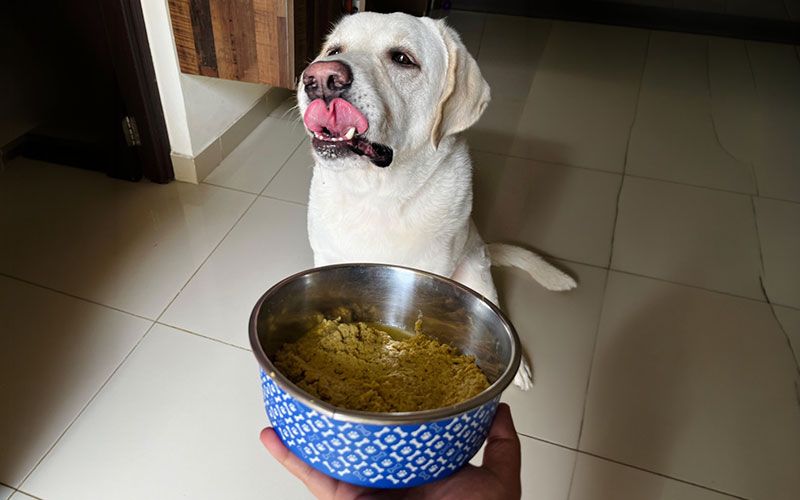
Best dog food for adult dogs
Adult dogs have to focus on just maintaining their body, calorie requirements are not as intensive as puppies'. However, protein is universally important for dogs of every age, breed, and size. When it comes to adult dog food, high-protein and low-calorie dog food is ideal, especially one that is rich in dietary fibre. This supports muscle maintenance and keeps bowel movements smooth while also helping prevent excess consumption of calories, which may lead to issues like diabetes, obesity, etc. The Chicken and Veggies combo from BLEP works very well for adult dogs.
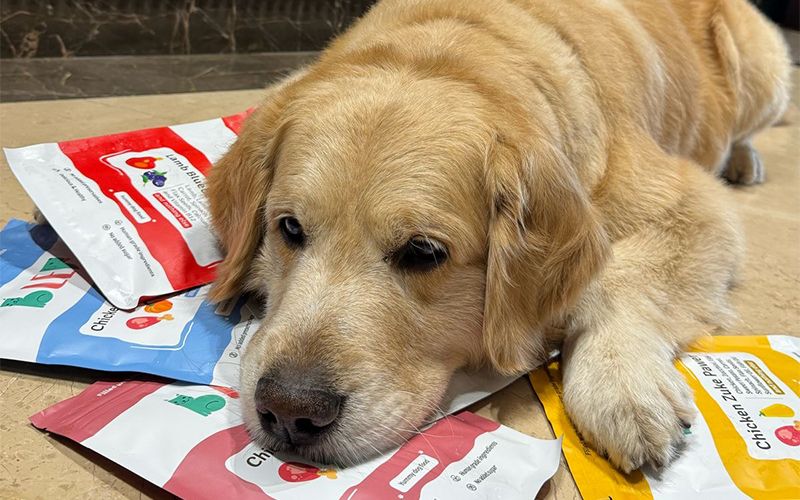
Best dog food for senior dogs
Senior dogs have sensitive systems, so their food should be gentle on the stomach. They need a good amount of protein to combat muscle degeneration, but their calorie needs are not so high because of reduced physical activity. With age, dogs also develop bone and joint issues, so adding some bone broth can also help. BLEP bone broths for dogs contain collagen, glucosamine, chondroitin, and various other vitamins and minerals that support bones and joints, and keep digestion smooth.
The best dog food that you can give your pups is food that is as close to human food as possible, without certain ingredients such as salt, sugar, spices, and other condiments. The quality should be just as great as food made for human consumption; only then will they get all the nutrients they need to develop and thrive.
Frequently Asked Questions
What is the healthiest dog food?
The healthiest dog food is one which has a good balance of protein, carbohydrates, essential fatty acids, and necessary vitamins & minerals. It should also be 100% natural, human-grade dog food, containing zero preservatives, sugar, or fillers. Gently-cooked dog food made of wholefood ingredients works best, such as The Farmer's Dog, JustFoodForDogs, BLEP pet food, Freshpet.
Is fresh dog food better than ultra-processed food?
Fresh dog food like BLEP that has been made with high-quality ingredients and gently cooked has more bioavailability of nutrients and fewer harmful additives. This means that the good stuff gets absorbed better and there is less of the bad stuff entering your dog's system. Ultra-processed food is usually cooked at very high temperatures that destroy the natural nutrients of its ingredients. It is also frequently made of human consumption waste and has preservatives, fillers, and chemicals.
Should dog food meet AAFCO standards?
Dog food should definitely meet AAFCO standards, as it is the most universally accepted independent basis for dog food formulations. However, that's only the basic requirement. Good dog food should go above and beyond to get the best food into your dog's bowl.
What ingredients should I avoid in dog food?
Ingredients that you should avoid in your dog's food, first and foremost, include sugar, salt, spices and other condiments. Additives like Xylitol, Propylene Glycol, Blue 2, Red 40, Yellow 5, and preservatives like BHA, BHT, and Ethoxyquin should never go in your dog's food. Apart from this, fillers like corn, wheat, and soy should also be avoided.
Is grain-free dog food better?
Grain-free dog food is usually meat-forward, which is good for dogs. Apart from that, some grains may cause sensitivities, difficulty in digestion, or may be excessively calorific. Therefore, it may be best to get grain-free dog food like this Chicken and Veggies combo from BLEP if your dogs need more protein in their diet or show signs of sensitivity.